
1165 Fahrenheit = 629.4 Celsius
That’s the temperature at the center of a volcano.
The volcano we were standing on.
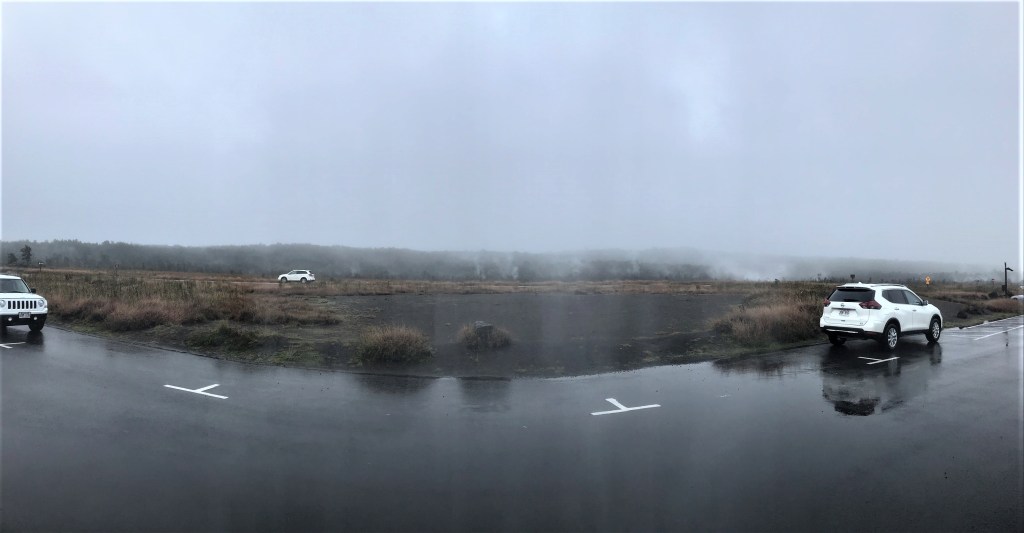
A couple of hours ago, when we had driven into the Hawaiʻi Volcanoes National Park, with the air becoming increasingly cold and misty, we were startled by jets of steam shooting out of vents on both sides of the road. Steam vents, meant to allow hot air to escape from the bubbling pool of lava below, as we soon found out. Each vent is cordoned off at a distance so one can walk right up to it safely.
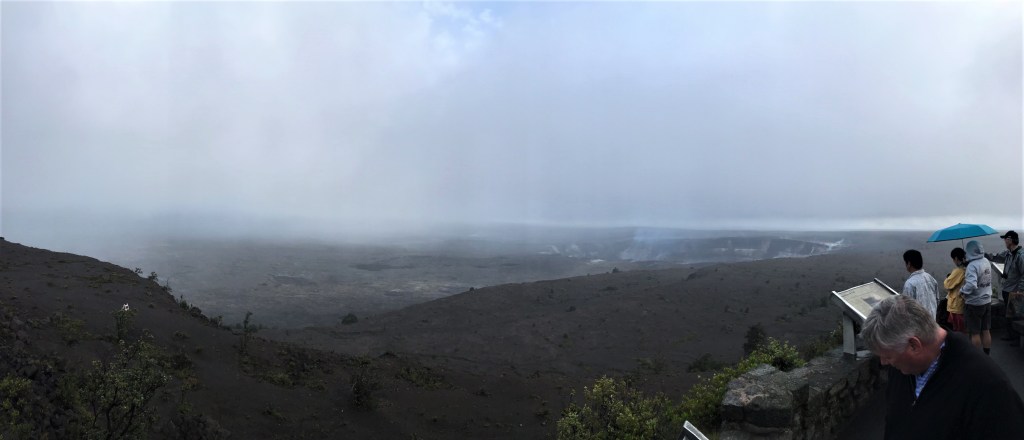
As we arrived outside the Thomas A. Jaggar Museum, named after the first director of the Hawaiian Volcano Observatory, we got our first glimpse of the massive Kilauea Caldera. As I learned in the museum, a caldera is a special type of volcanic crater formed by the collapse of a volcano into itself and the museum’s observation deck stands just a few hundred feet away from it.
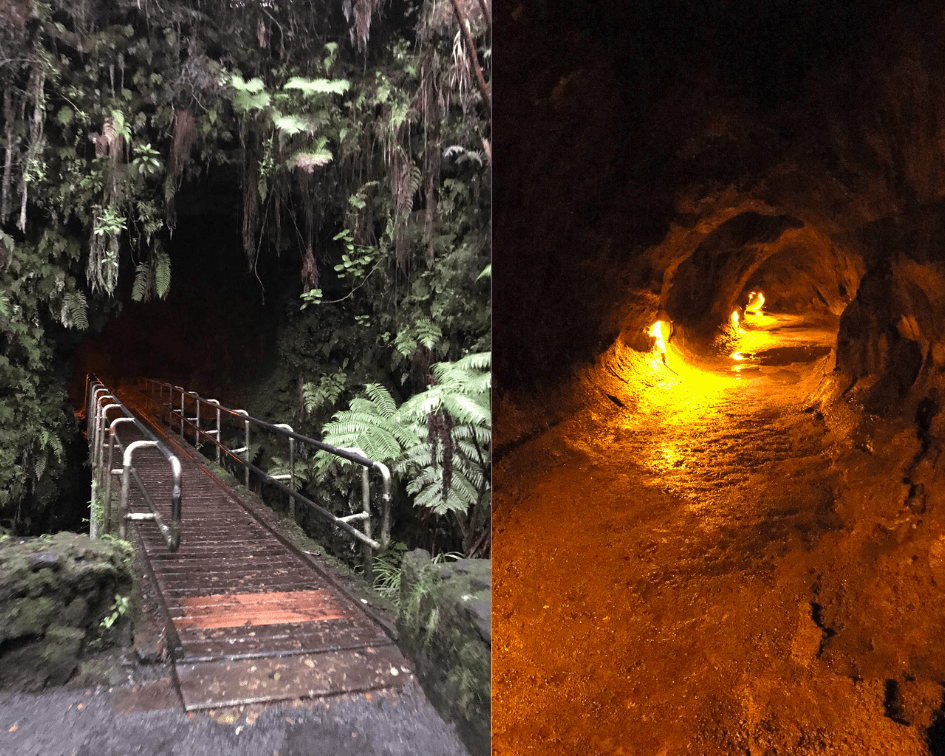
We were excited to see the crater but at 4.30 pm, in daylight, all one can see is a big hole in the ground. Some very helpful, and friendly park rangers suggested we come back after sunset for a better view so we went to see another amazing feature at the park, the lava tubes. A lava tube is formed when slow-moving lava cools over many years after an eruption and the top layer hardens into a crust, forming a tube for the molten lava to flow directly into the sea. After a short hike through a jungle that looked straight out of Jurassic Park, we were wandering around in awe and with an inexplicable frisson of fear. Inexplicable, because this tube had been absolutely empty for decades. But its a rare and amazing natural phenomenon and we reluctantly left as it got dark and drove back to the caldera.
And it was all orange.
In the dark of the night, the volcano takes on a life of its own. Watching the dancing shadows of the bubbling lava hundreds of feet below us and the gusts of smoke emanating from the massive crater, it was easy to see where the dramatic and fascinating moolelo (legends) were born.

The amber glow was coming from Halema’uma’u, the fiery, fluid heart of the Kilauea volcano, which is believed to be the home of Pelehonuamea, better known as Pele, the goddess of fire and volcanoes and the creator of the Hawai’i islands. In fact, her name translates to ‘she who shapes the sacred land’.
Legend has it that Pele was born of the female spirit Haumea, or Hina, who, like all other important Hawai’i gods and goddesses, descended from the supreme beings, Papa, or Earth Mother, and Wakea, Sky Father. Pele was among the first voyagers to sail to Hawai’i, pursued by her angry older sister, Na-maka-o-kaha’i because Pele had seduced her husband. Pele landed first on Kaua’i, but every time she thrust her o’o (digging stick) into the earth to dig a pit for her home, Na-maka-o-kaha’i, goddess of water and the sea, would flood it. Pele moved down the islands in order of their geological formation, eventually landing on the Big Island’s Mauna Loa, which is the tallest mountain on earth when measured from its base at the bottom of the ocean. Even Na-maka-o-kaha’i could not send the ocean’s waves high enough on Mauna Loa to drown Pele’s fires, so Pele established her home on its slopes.
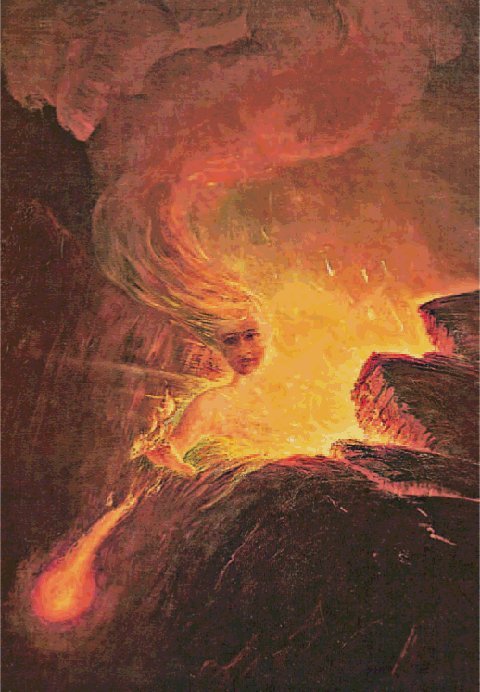
From 1823 to 1924 Halema’uma’u contained a lake of lava, which would often fill the crater to overflowing and spill lava across the floor of the caldera. In 1924, Halema’uma’u exploded, in a fierce burst of ash and lightning, that surged thousands of feet into the sky. Since then, over a dozen eruptions have transformed Halema’uma’u.
Tragically, in May 2018, a couple of months after our visit, a new eruption of Kīlauea volcano changed the island of Hawai‘i forever. According to the Park’s official website,
‘From May through August, large lava flows destroyed over 700 homes and many residential areas in the Puna District. At the same time, the summit area of the park was dramatically changed by tens of thousands of earthquakes, towering ash plumes, and a massive collapse of Kīlauea caldera. Since then, the lava lake that existed inside Halema‘uma‘u crater disappeared and lava flows from Puʻu ʻŌʻō crater have ceased. There is no molten lava or lava glow to see anywhere in or out of the park.’

We count ourselves extremely lucky to have had a chance to witness this incredible phenomenon. There are few things on this planet that are as beautiful, terrible and utterly awe-inspiring as a volcano. It was easy to see why so many fantastic legends were born here centuries ago. Even in 2018 as we stood watching the hypnotic, orange glow of the molten, torrid lava bubbling hundreds of feet below us, all these ancient legends of Hawaii, seem to have come to life.

 Excess Baggage