As my friends and I sipped on cocktails, in an Irish bar overlooking a river with a world-famous skyscraper in the background, it was hard to imagine that just about 200 years ago, this was a little desert backwater, invisible on the world map.
Today, Dubai is the fourth most visited city in the world- a spectacle of opulence and wealth that draws almost 16 million visitors annually.
It’s easy to see why. All over Dubai, glittering buildings are in constant competition, each new one inching closer to the sky. Car enthusiasts could spend days simply watching the endless succession of luxury and super cars, like McClarens, G Wagons, Lamborghinis and Maseratis zipping down the smooth roads.
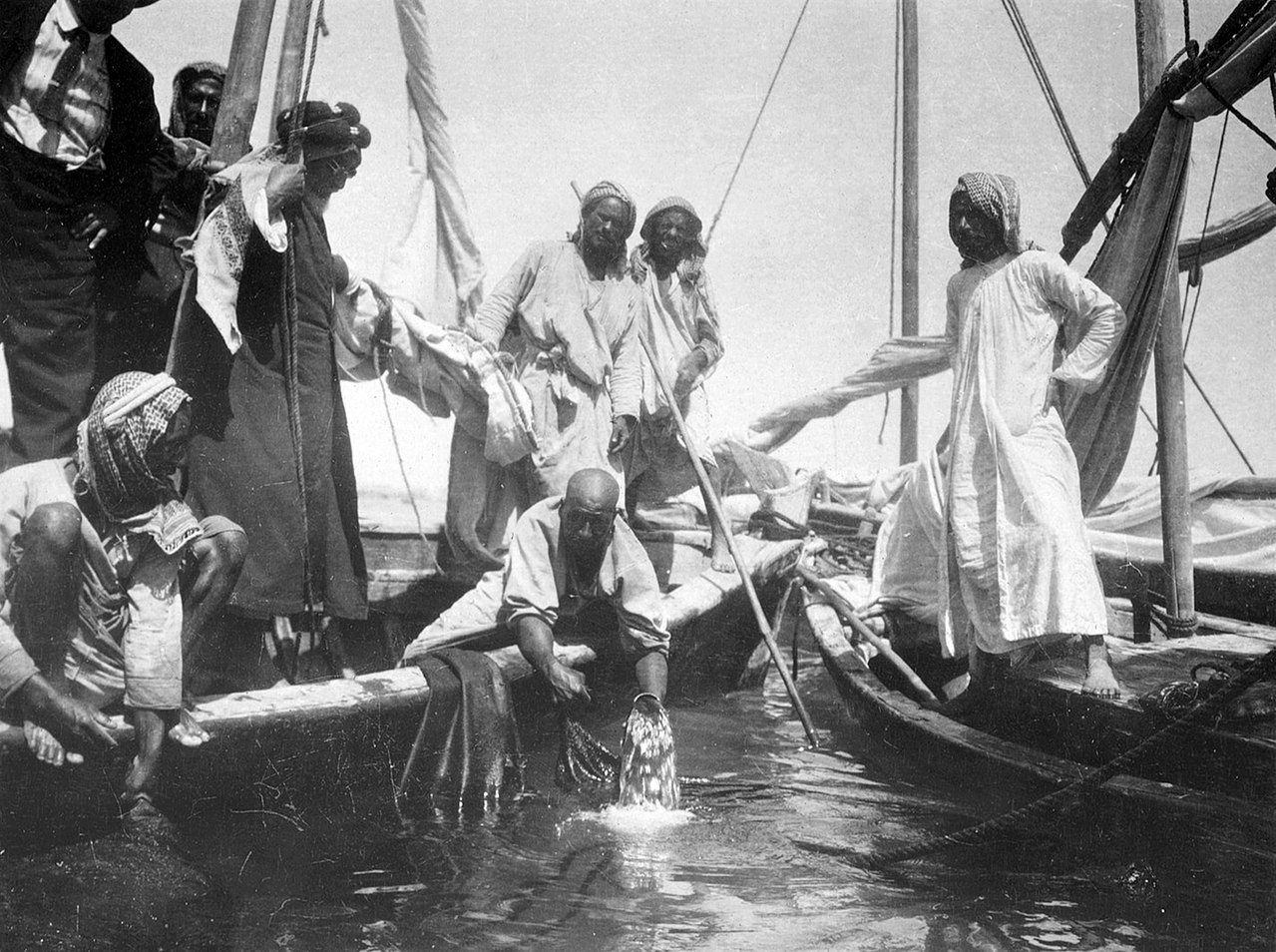
But in 1833 when Maktoum bin Butti of the Bani Yas tribe (predecessor of the current rulers) led his people to the Shindagha Peninsula at the mouth of Dubai Creek, settling there and declaring the town’s independence from Abu Dhabi, it was a small creek-side settlement in the middle of a desert. It then became a pearl diving village and trading hub for the region.
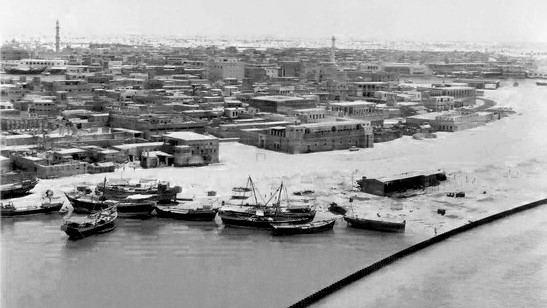
Perhaps the greatest turning point for the country came in 1966 when it struck oil which launched it into a phase of hyper development. With this newfound resource, Sheikh Rashid bin Saeed Al Maktoum began transforming the city from a small cluster of settlements near Dubai Creek to a modern port, city and commercial hub.
What you see today is a multicultural, developed cosmopolis. The extravagant malls scattered across the city are home to showrooms of the most exclusive designers while the food courts include cuisines from all across the globe.
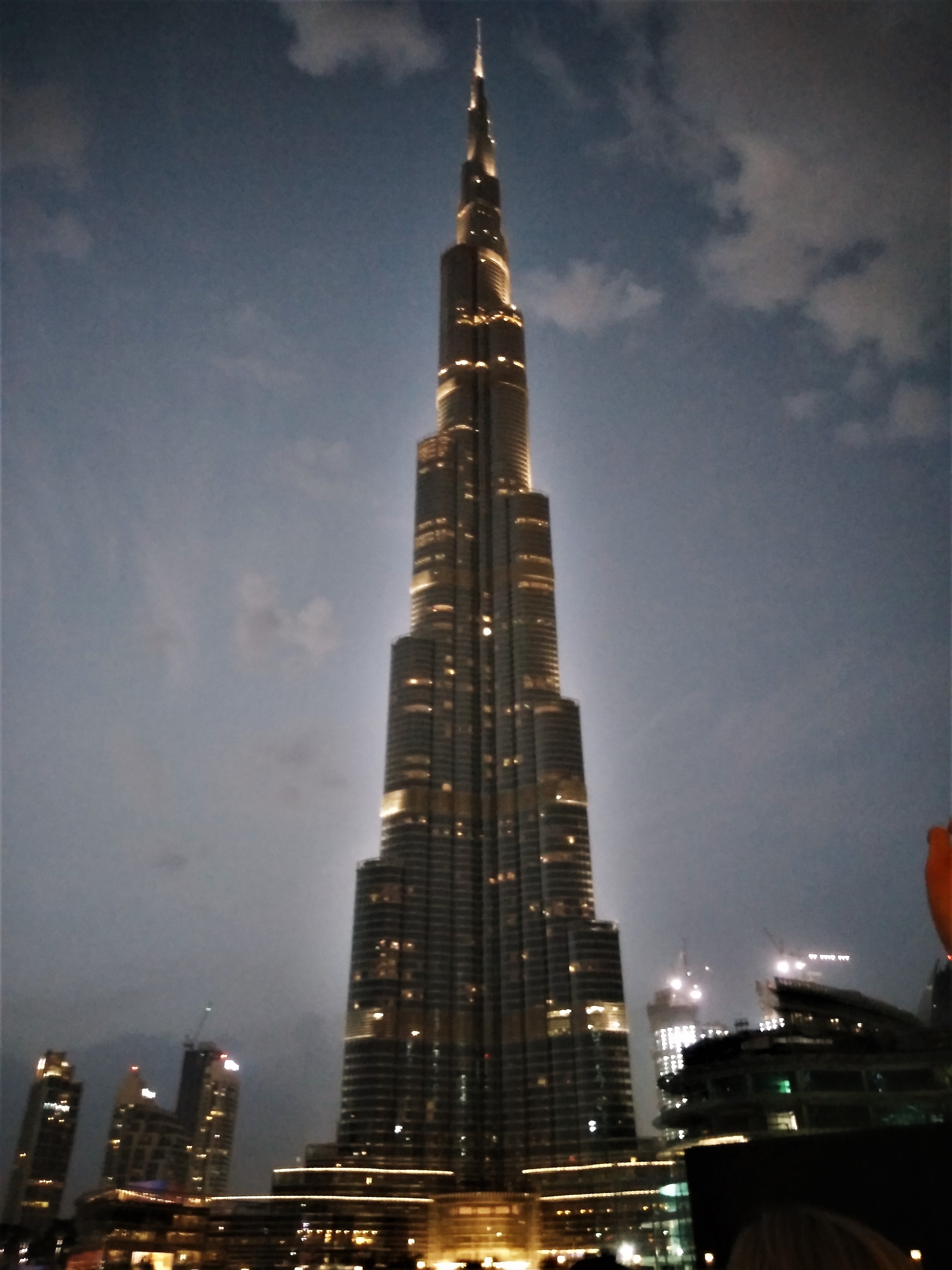
A day at the Dubai mall can include a visit to the aquarium (much smaller than expected and a little bit disturbing); a ride in the world’s fastest elevator; a panoramic view of the city from the world’s tallest building, Burj Khalifa (828m), a window-shopping spree worthy of Fifth Avenue or Rodeo Drive; and a sunset show of the world’s largest musical fountain with the glittering Burj in the background. Trust me, you want to wear comfortable shoes given that its the world’s largest mall, spread across more than 1 million sqm – roughly 200 football fields.
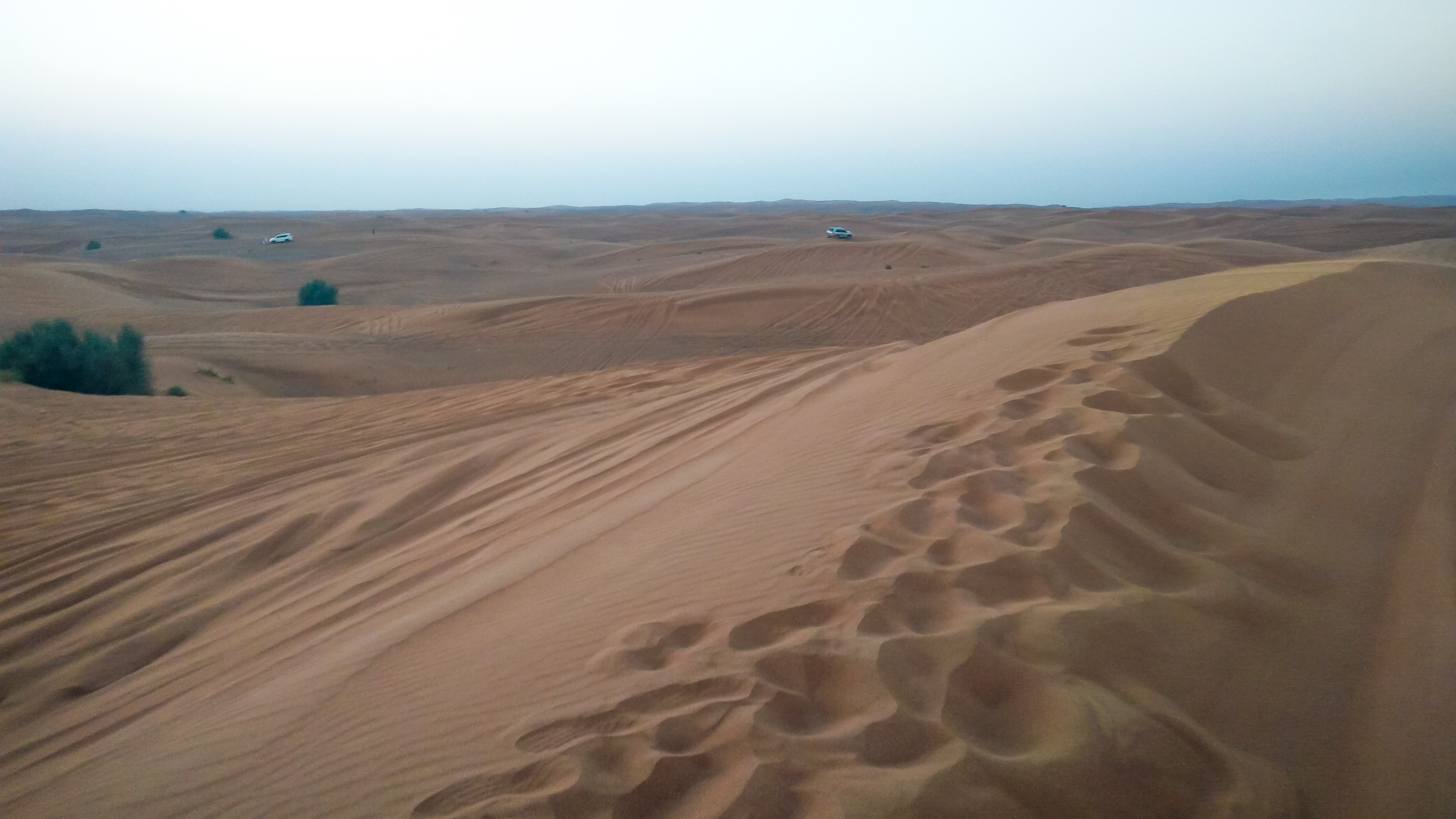
Once bored or impoverished by mall hopping, one of the most popular activities in Dubai is the Desert Safari. Be warned, dune bashing is not for the faint of heart. Tough SUVs speed over uneven peaks and troughs in the sand dunes and you can expect to get tossed around like a salad inside. But the adrenaline rush is worth it. The dune bashing is followed by a touristy cultural show replete with every stereotype of the exotic Arab lands, from fire breathers to belly dancers. My advice for this would be to just put aside the cynicism and enjoy the show.
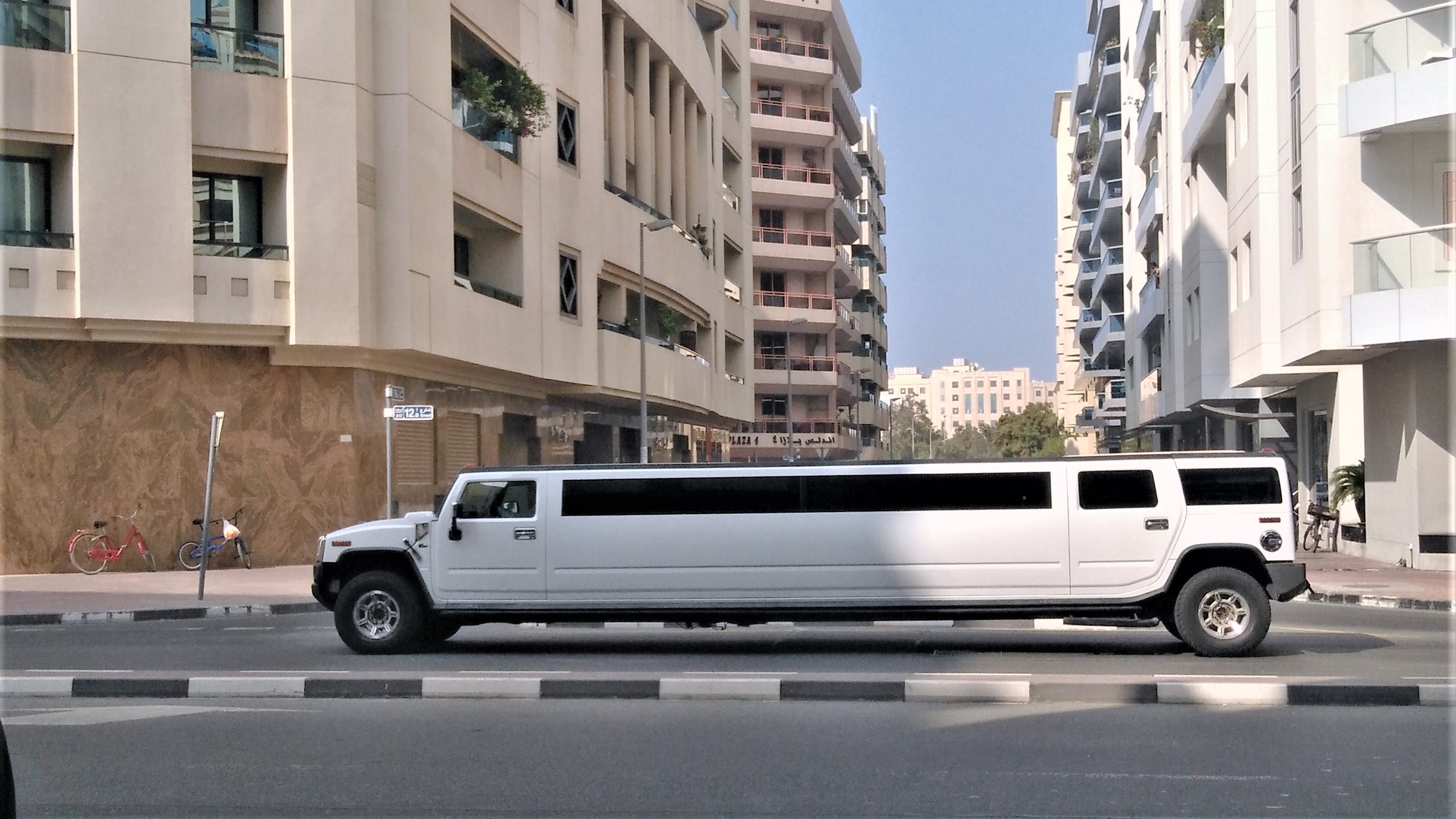
These stereotypes of an Agrabah-like land are rendered comical by the ultra-glamorous city itself. My friends and I have grown up in Mumbai, a major urban metropolis by any measure. But we were simply not prepared for the chic of Dubai. We had packed our more ‘conservative’ clothes, despite warnings from the friend we were staying with that this would be both stupid and unnecessary. But it’s hard to shake off perceptions built up over the years, of a restrictive, religious country where basic freedoms are not to be taken for granted. While I know that many of Dubai’s neighbors within the UAE do struggle with orthodox laws and stiflingly patriarchal societies, it is a mistake to lump Dubai in with them. Given that roughly over 80% of the population is made up of expatriates, Dubai is as multicultural and global a city as they come.

In fact, a trip to the Jumeriah beach made my best friend and me feel positively overdressed in our swimsuits. We were so inspired by the sheer volume of people wearing the skimpiest of bikinis and the lack of uncomfortable stares, that we bought ourselves our first bikinis and debuted them at the beach the next day. It turned out to be a liberating experience because unfortunately, in India you run the risk of being stared at on popular beaches and merrily fat-shamed in posher crowds if you don’t have the ‘right’ (read: thin) body. But to our delight, in Dubai, everyone just continued with their morning jogs or books without paying the slightest bit of attention to us.

Dubai was full of such little surprises. That night after the aforementioned cocktails, which were free I might add, as ladies nights are abundant, we headed down to Jumeriah Beach Hotel, where little golf carts whisked us off to ‘360˚’. Aptly named, this popular nightspot sat in the middle of the water, surrounded by the creek and marina, only accessible by a jetty that ran right past the Burj Al Arab.
(Note: 360˚ was permanently shut down in 2018).
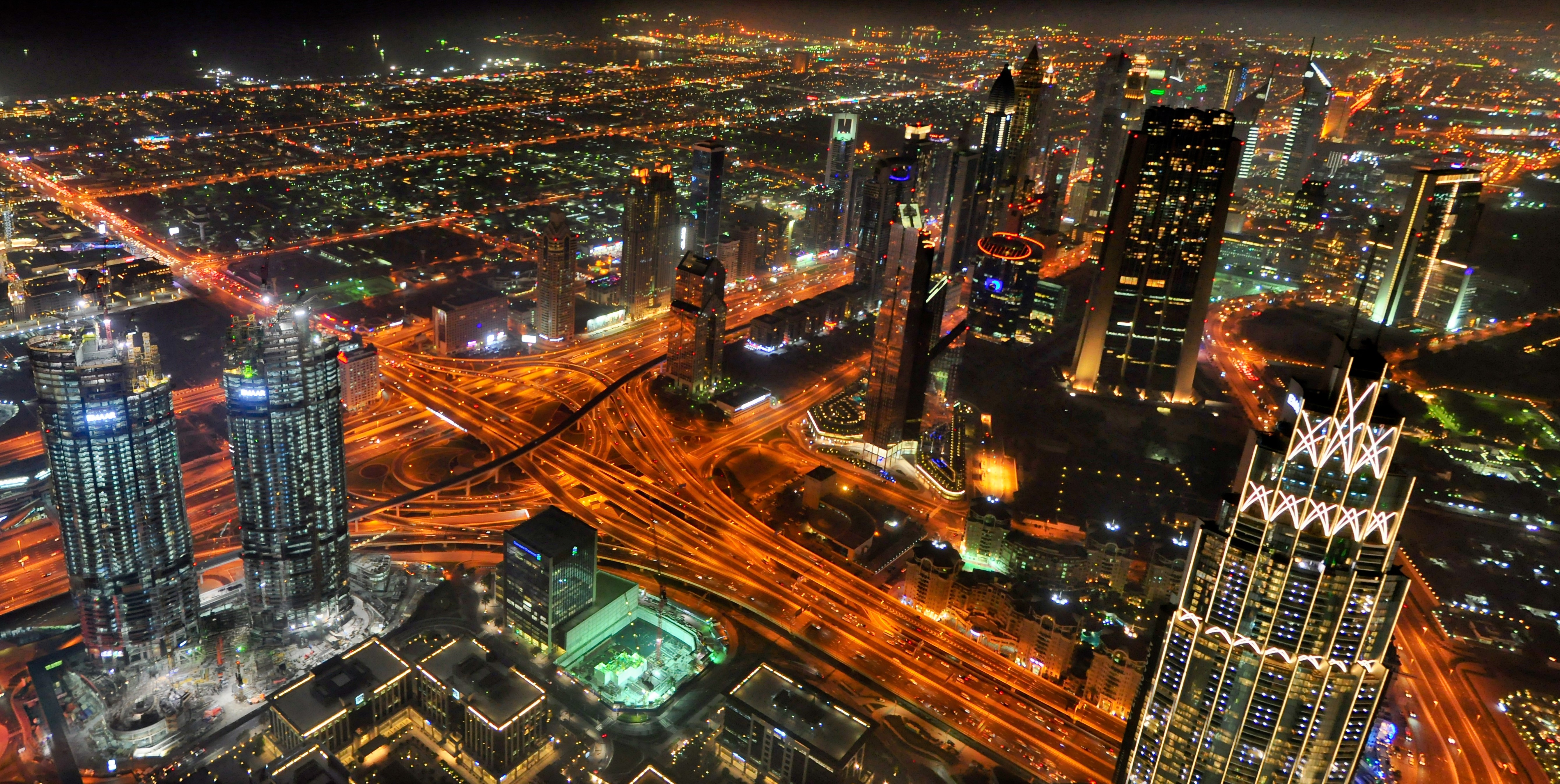
A few hours, a few more cocktails and a Hawaiian themed club called ‘Mahiki’ later, we finally headed home. At night, driving through the glittering city is surreal. The buildings are shiny and everything seems just a little too perfect. Our friend who lived there said that this feeling becomes more pervasive over time. We took her word for it because, in our short stay of six days, we had barely scratched the surface. But I can say with certainty, that for travelers and visitors like us, it’s a city of endless surprises. Its a a city that shot out of the sand and in just a few decades, is on its way to the sky. In many ways, this rapidity defines the character of the city. Its not the kind of place you go to for a restful or relaxing break. Its the kind of trip you take to get caught up in a whirlwind of a city, to see the limits of what human ambition and an embarrassment of riches can create.

 Excess Baggage